
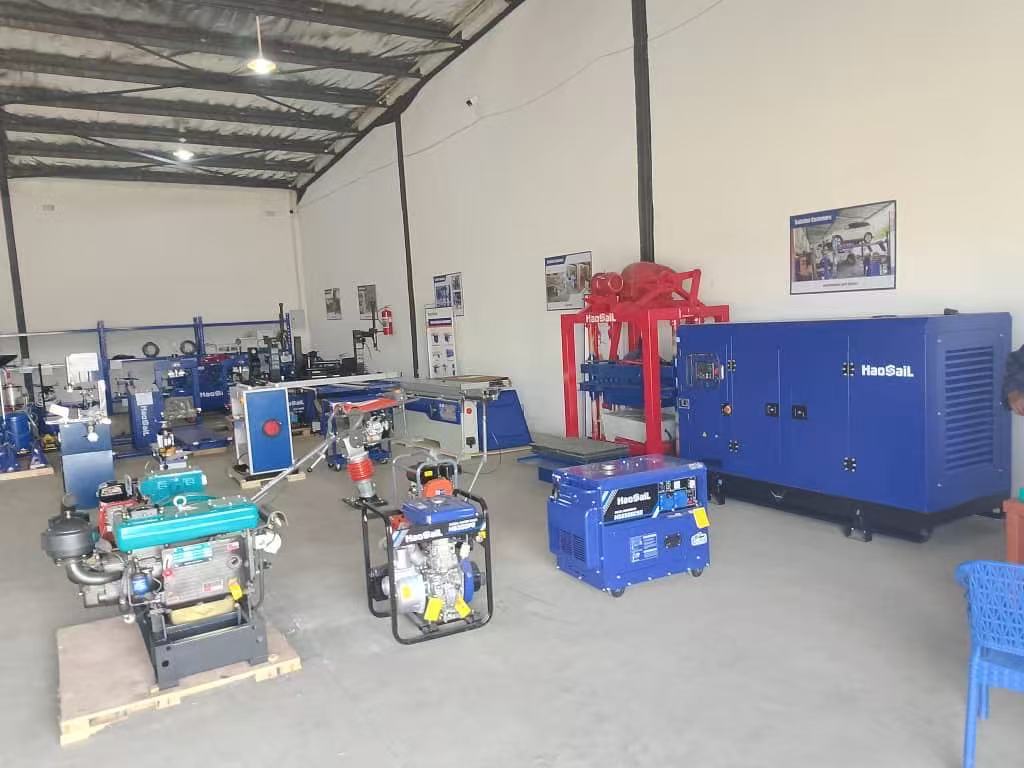
How to Choose the Right Auto Maintenance Equipment for Your Workshop

Starting or upgrading an auto repair workshop requires strategic investment in the right equipment. The quality and efficiency of your tools directly affect productivity, safety, and customer satisfaction.

1. Assess Your Service Scope

Before purchasing equipment, define your core services. Will you focus on tire services, engine diagnostics, wheel alignment, or full mechanical repairs? Your service model determines whether you need two-post lifts, four-post lifts, wheel balancers, tire changers, or diagnostic systems.

2. Prioritize Quality and Certification

Always choose machines that pass strict quality inspections and comply with international safety standards. Equipment reliability reduces downtime and protects technicians from workplace accidents.

3. Consider Space and Layout

Workshop layout impacts workflow efficiency. Plan equipment positioning carefully to allow smooth vehicle movement and technician access.

4. Evaluate After-Sales Support

Installation guidance, operator training, spare parts availability, and technical support are essential for long-term operations.

Investing wisely in auto maintenance equipment ensures higher productivity, improved service quality, and long-term profitability.
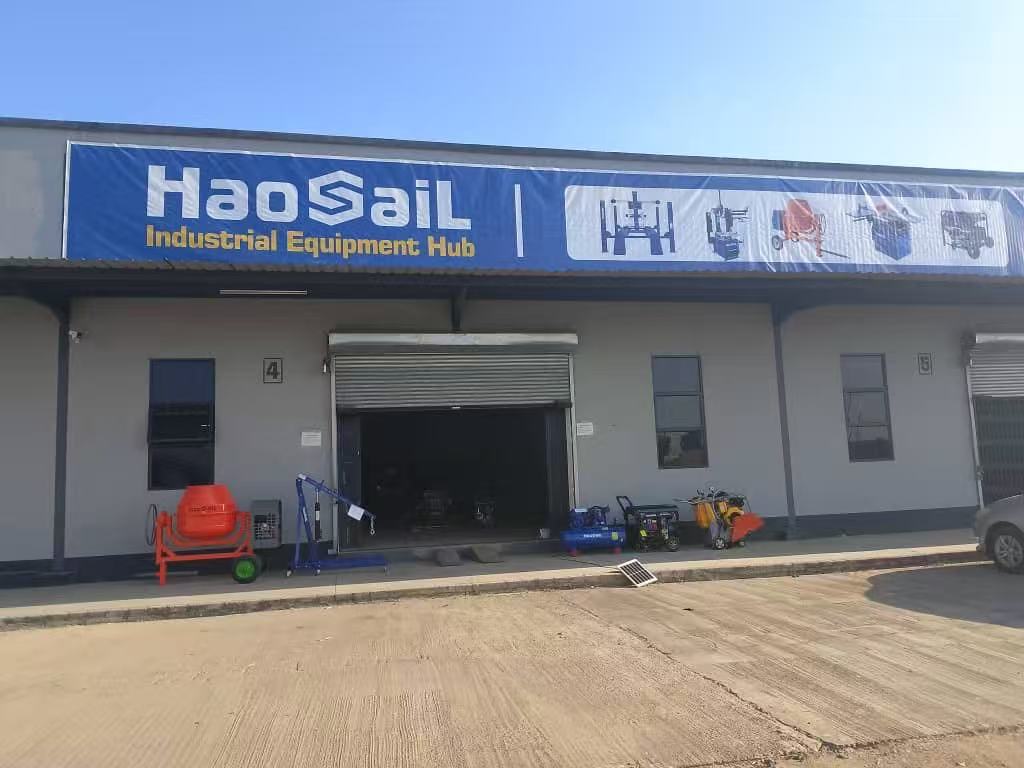
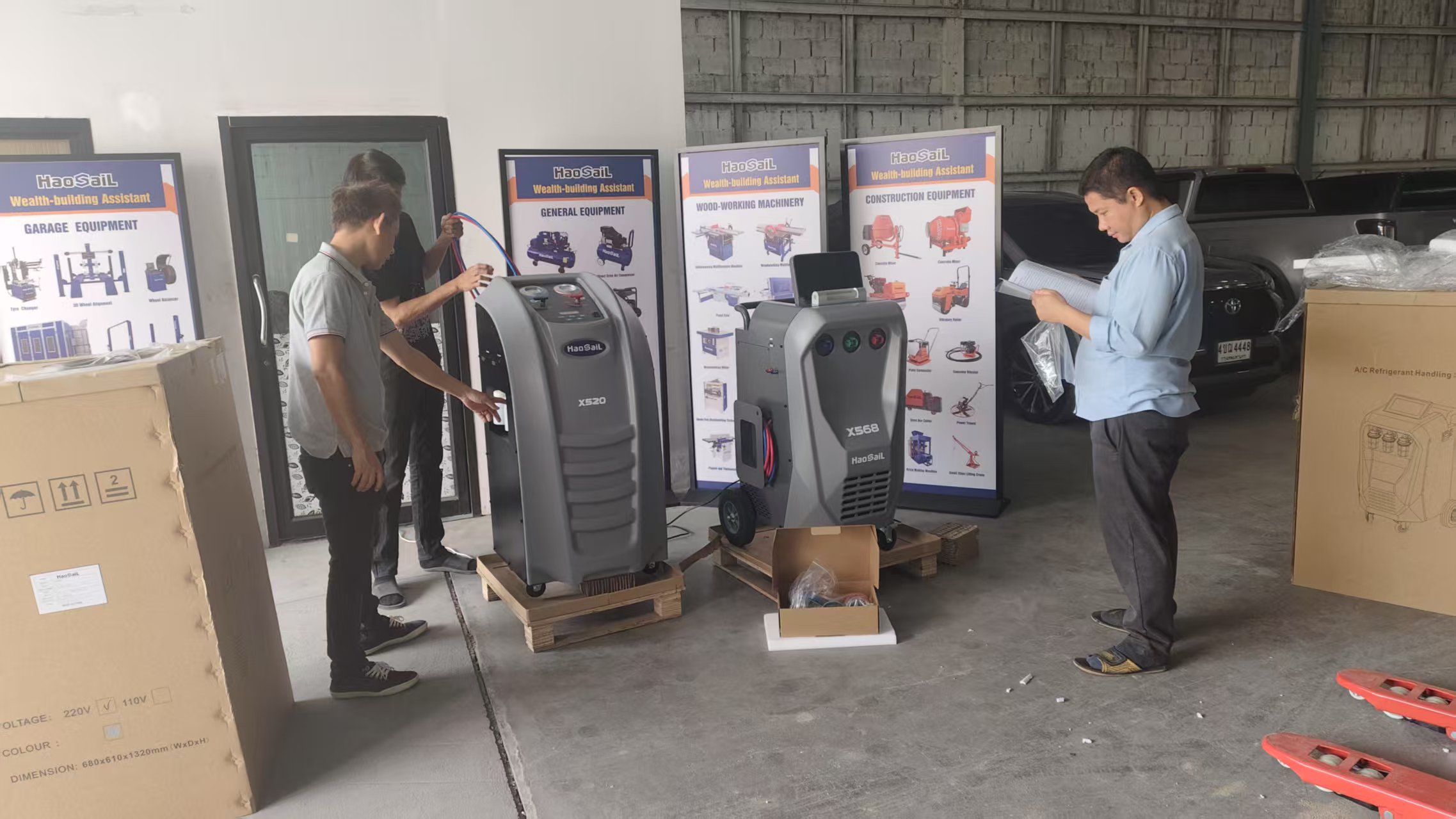
Complete Solutions for Starting an Auto Repair Business

Launching an auto repair business requires more than purchasing equipment. Success depends on strategic planning, technical support, and operational efficiency.

Step 1: Business Planning and Market Research

Understand your target customers, local competition, and service demand. Define your specialization—general repair, tire center, diagnostic center, or heavy-duty service.

Step 2: Workshop Layout Design

Efficient layout planning improves workflow, reduces safety risks, and maximizes space utilization. Professional layout design ensures smooth vehicle movement and technician productivity.

Step 3: One-Stop Equipment Procurement

Sourcing all equipment from a single supplier simplifies logistics, ensures compatibility, and reduces procurement complexity.

Step 4: Installation and Training

Proper installation ensures safety compliance, while staff training improves operational efficiency and extends equipment lifespan.

Step 5: After-Sales Service Support

Reliable technical assistance and spare parts availability keep your workshop running without interruption.

With the right strategy, quality equipment, and professional support, your auto repair business can achieve sustainable growth and long-term success.

Why Quality Control Matters in Construction Machinery

Construction machinery operates under heavy loads and harsh environments. Without strict quality control, equipment failure can lead to costly project delays and safety risks.

1. Material Inspection

High-quality raw materials determine machine durability. Steel strength, component precision, and manufacturing tolerances must meet engineering standards.

2. Precision Manufacturing

From machining to welding and assembly, every production stage must follow standardized procedures to ensure performance consistency.

3. Testing Before Delivery

Load testing, operational testing, and safety verification confirm that machinery performs according to design specifications before reaching the customer.

4. Long-Term Cost Efficiency

Although premium-quality equipment may require a higher initial investment, it reduces maintenance costs, breakdown frequency, and operational interruptions.

Strong quality control is not an option—it is a necessity for construction efficiency and business sustainability.

Back to Top
Product has been added to your cart