
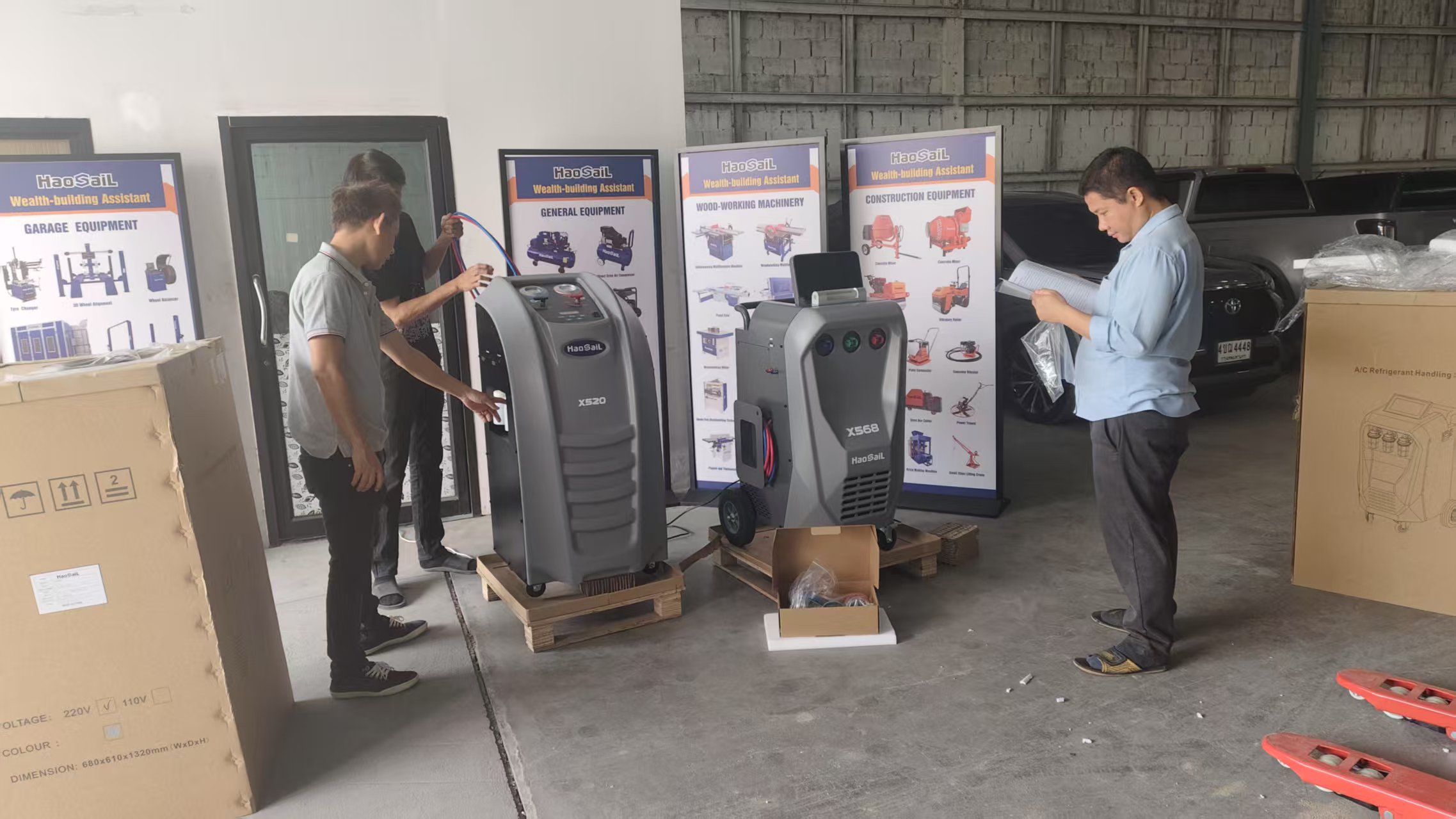
Construction machinery operates under heavy loads and harsh environments. Without strict quality control, equipment failure can lead to costly project delays and safety risks.
1. Material Inspection
High-quality raw materials determine machine durability. Steel strength, component precision, and manufacturing tolerances must meet engineering standards.
2. Precision Manufacturing
From machining to welding and assembly, every production stage must follow standardized procedures to ensure performance consistency.
3. Testing Before Delivery
Load testing, operational testing, and safety verification confirm that machinery performs according to design specifications before reaching the customer.
4. Long-Term Cost Efficiency
Although premium-quality equipment may require a higher initial investment, it reduces maintenance costs, breakdown frequency, and operational interruptions.
Strong quality control is not an option—it is a necessity for construction efficiency and business sustainability.
Leave a Comment
Your email address will not be published. Required fields are marked *